What is the meaning of Receiver Operating Temperature ?
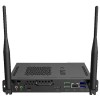
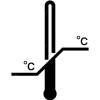
It is the safe temperature range in which the receiver or user terminal (the satellite dish, modem, or related electronics) can function reliably. Satellite receivers are often installed outdoors, exposed to sun, wind, rain, snow, and extreme seasonal temperatures. The operating temperature ensures the device can maintain signal reception, data processing, and overall connectivity without hardware failure.
A satellite dish might have an operating range of –30°C to +50°C (–22°F to 122°F). Within this range, the electronics and antenna components work as intended: the phased-array antennas can track satellites, the modem processes data efficiently, and the dish’s heating elements (if present) prevent ice buildup. Temperatures below the minimum can cause slow performance, startup failure, or even permanent damage to electronic circuits. Temperatures above the maximum can lead to overheating, signal loss, or hardware shutdown to prevent damage. Manufacturers often include features like built-in heating, weatherproof casings, and temperature sensors to help maintain operation within this range. For LEO satellite constellations like Starlink, which rely on continuous tracking of fast-moving satellites, maintaining the receiver within its operating temperature is crucial because even brief outages can disrupt internet connectivity. In short, the Receiver Operating Temperature is a measure of environmental resilience, defining the conditions under which the satellite internet receiver can reliably provide service.